
Living With Fibromyalgia: The Whole-System Picture and Why It Matters for Treatment
One of the most frustrating aspects of fibromyalgia isn't the pain itself, it's the way the condition is fragmented in conventional care.
Your rheumatologist manages the pain diagnosis. Your GP prescribes sleep medication. Your psychologist works on the emotional dimensions. Your physiotherapist tries to maintain function. Nobody is looking at the whole picture.
This fragmentation isn't anyone's fault. It reflects how the healthcare system is organized.
However, it creates a significant gap for fibromyalgia patients, because fibromyalgia is fundamentally a whole-system condition that doesn't respond well to fragmented care.
The Interconnected Symptoms of Fibromyalgia
The core symptoms of fibromyalgia such as widespread pain, unrefreshing sleep, fatigue, and cognitive difficulties are not separate problems that happen to co-occur.
They're all downstream of the same central nervous system dysregulation and they affect each other in feedback loops that perpetuate the condition.
Disrupted sleep worsens central sensitization, which increases pain, which further disrupts sleep.
Chronic pain activates the stress response, which impairs immune function and metabolic regulation, which increases fatigue.
Fatigue reduces activity, which contributes to deconditioning, which lowers pain thresholds.
Cognitive difficulties increase frustration and anxiety, which amplifies the stress response.
Understanding these feedback loops is essential to understanding why piecemeal treatment often falls short. Addressing pain without addressing sleep. Managing fatigue without addressing autonomic dysregulation. Treating depression without treating the nervous system dysregulation that's driving it. Each of these approaches touches part of the problem while leaving the rest intact.
What a Whole-System Approach Looks Like
An effective approach to fibromyalgia needs to work on multiple dimensions of the condition simultaneously, not because every symptom requires a separate intervention, but because the underlying dysregulation affects multiple systems and needs to be addressed at that level.
Acupuncture is one of relatively few interventions that works on multiple relevant systems simultaneously: central pain processing, autonomic nervous system regulation, sleep architecture, endorphin function, and inflammatory signaling.
This isn't a claim that acupuncture fixes everything. It's a recognition that its mechanism of action happens to be relevant and supportive to multiple dimensions of fibromyalgia pathophysiology.
This is why the research on acupuncture for fibromyalgia shows effects across multiple outcome measures. Not just pain, but also fatigue, sleep quality, and overall well-being.
Interventions that work systemically tend to show broader effects than those targeting single symptoms.
The Role of Stress in Fibromyalgia
The relationship between stress and fibromyalgia is bidirectional and significant. Fibromyalgia frequently develops following a period of significant physical or psychological stress such as infection, trauma, major life events. And once established, the condition itself is a significant stressor. The pain, the fatigue, the cognitive difficulties, the disruption to work and relationships.
Chronic stress maintains sympathetic nervous system activation, elevates inflammatory markers, disrupts sleep, and perpetuates the central sensitization that drives fibromyalgia symptoms. This isn't psychological. It's a measurable physiological pathway.
Acupuncture's parasympathetic activating effects are directly relevant here. Consistent treatment that shifts the autonomic balance toward parasympathetic predominance creates a physiological environment that's less conducive to central sensitization. This is one of the mechanisms by which acupuncture can support the broader fibromyalgia picture, not just acute pain relief.
Pacing, Activity, and What Helps Alongside Acupuncture
Acupuncture works best as a part of a broader approach to fibromyalgia management. A few things are worth knowing:
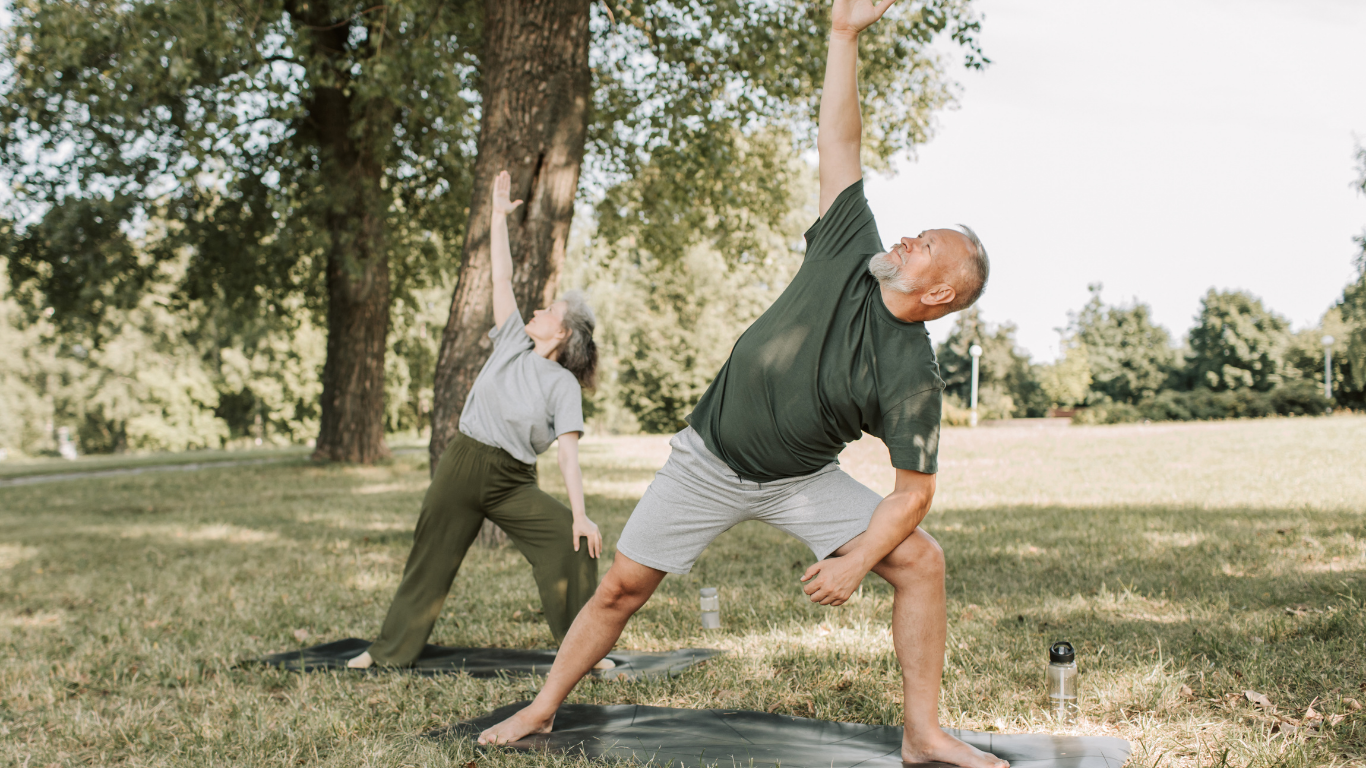
Gentle, consistent movement matters. Research consistently shows that appropriate exercise like walking, swimming, yoga, or tai chi has meaningful benefits for fibromyalgia symptoms, particularly fatigue and pain. The key word is appropriate. Overdoing activity during a flare worsens symptoms, and activity needs to be paced carefully. We discuss this with patients as part of their overall management.
Sleep hygiene is also worth attending to. Since sleep disruption drives fibromyalgia symptom severity, addressing the behavioral and environmental factors that affect sleep quality compounds the effect of acupuncture's direct effects on sleep architecture.
Psychological support can be meaningful. Cognitive behavioral therapy has evidence for fibromyalgia, particularly for addressing the fear-avoidance patterns and catastrophizing that can perpetuate symptoms. We'll make referrals when we think they'd be useful.
How We Approach Fibromyalgia at Source Acupuncture
We take a detailed intake that covers the full symptom picture, not just pain, but sleep, cognition, fatigue, autonomic symptoms, stress history, and the full timeline of the condition. We want to understand what you've already tried and what's helped.
We're transparent about what to expect: fibromyalgia is a long-term condition that requires sustained management, not a finite treatment course. We track your response across multiple dimensions and adjust based on what we're seeing.
And we take the experience of being a fibromyalgia patient in a healthcare system that has often dismissed you seriously. That context matters to how we have the conversation.
If you'd like to talk, a free consultation is available with no obligation. Click here to book.

Rheumatoid Arthritis, Acupuncture, and the Long Game: What Integrative Management Looks Like
Rheumatoid arthritis is a lifelong condition. The goal of modern RA management isn't to cure it. It's to achieve the lowest possible disease activity, prevent joint damage, maintain function, and support quality of life over what may be decades of living with the disease.
This long-game framing changes how you think about every intervention, including acupuncture. The question isn't just "does this help right now?". It's "does this contribute meaningfully to managing a complex chronic condition over time?"
This post looks at what integrative RA management looks like in practice and where acupuncture fits in the long picture.
The Limits of Any Single Approach
One of the most important things to understand about RA management, and chronic disease management generally, is that no single intervention addresses all dimensions of the condition.
DMARDs and biologics are remarkable tools for slowing structural joint damage and controlling inflammatory disease activity, but they don't fully address fatigue, they don't prevent the central sensitization that develops in some patients, they don't manage the autonomic dysregulation and sleep disruption that accompany chronic inflammation, and they don't address the psychological dimensions of living with an unpredictable, potentially disabling condition.
Physiotherapy and exercise are important for maintaining joint function and preventing deconditioning. Pain psychology and cognitive behavioral approaches address the psychological dimensions of chronic pain. Nutrition and lifestyle factors affect the inflammatory environment. Each of these contributes something the others don't.
Acupuncture in this context is not a replacement for any of these. It's one contributor to a comprehensive approach, with a specific set of effects that complement what the other components offer.
What Acupuncture Contributes to the Long Game
Over a longer timeframe, consistent acupuncture as part of RA management may contribute to several dimensions that matter for long-term outcomes.
Sustained autonomic regulation. Chronic RA involves persistent sympathetic nervous system dysregulation that affects immune function, inflammatory signaling, cardiovascular health, and energy metabolism. Consistent acupuncture that supports autonomic balance over months and years may contribute to a less inflammatory internal environment, not dramatically, but meaningfully as part of a comprehensive approach.
Pain sensitization management. Once established, central sensitization tends to be self-perpetuating. Acupuncture's effects on central pain processing can help manage established sensitization and potentially reduce the degree to which it develops in patients who don't yet have it. Over the long term, managing central sensitization matters for quality of life and functional capacity.
Medication support. Some RA patients use acupuncture partly to support their ability to manage at lower medication doses, not by abandoning DMARD therapy, but by addressing the symptoms and systemic burden that might otherwise drive escalation. This is a legitimate use, though decisions about medication should always be made with the rheumatology team.
Quality of life maintenance. Over a lifetime with RA, the accumulation of impacts on sleep, energy, cognitive function, and mood matters enormously. Addressing these dimensions consistently, rather than waiting until they become crises, is a reasonable component of long-term management.
How We Think About Long-Term Patients
For patients who view acupuncture as a long-term component of their RA management rather than a short-term intervention, our approach evolves over time. Early treatment typically focuses on establishing baseline symptom improvement and identifying which dimensions respond most meaningfully. Over time, the focus shifts toward maintenance, sustaining the improvements achieved, managing flares, and adjusting as the disease picture changes.
Maintenance schedules for long-term RA patients vary. Some patients do well with monthly sessions, others prefer biweekly. We individualize based on what we're seeing and what you're experiencing.
We also communicate with your rheumatology team. Acupuncture works best as part of a coordinated approach, not as a parallel track operating in isolation from your medical care.
The Honest Picture
Acupuncture is not a disease-modifying treatment for RA in the way DMARDs are. It doesn't prevent joint damage. It doesn't suppress the autoimmune process driving the disease. Patients who have active RA and aren't on appropriate medical management should not be relying on acupuncture as their primary intervention.
Acupuncture is a meaningful complement with a real evidence base and a set of mechanisms directly relevant to the dimensions of RA that medical management doesn't fully address. For patients committed to comprehensive long-term management of a complex chronic condition, it has a legitimate place in that picture.
If you're thinking about acupuncture as part of your long-term RA management, we'd love to welcome the conversation.
Free consultation at sourceacupuncture.ca.
Acupuncture for Fertility: An Honest, Evidence-Based Guide for Toronto Patients
If you're researching fertility acupuncture, you've probably found two kinds of information: clinics making grandiose outcome promises that the evidence doesn't support, and studies suggesting the effects are modest at best. Neither gives you the full picture.
The studies showing modest effects are largely testing the wrong thing. And the practitioners making promises are overstating what anyone can honestly guarantee. What falls between those two extremes is a genuinely compelling case, and that's what this guide covers.
What Acupuncture Is Actually Doing
Acupuncture works through the nervous system. The insertion of fine needles at specific body points creates neurological responses that affect multiple physiological systems: the autonomic nervous system, endocrine signaling, local and systemic blood flow, and the stress response.
In the context of fertility, the most relevant systems are:
Hormonal regulation. The hypothalamic-pituitary-ovarian (HPO) axis, the signaling cascade that regulates the menstrual cycle, ovulation, and reproductive hormone levels, is sensitive to nervous system input. Research has examined acupuncture's effects on FSH, LH, and estradiol levels, and on cycle regularity in conditions like PCOS, with promising findings.
Uterine and ovarian blood flow. Adequate blood flow to the reproductive organs supports follicle development, endometrial thickness, and uterine receptivity. In practical terms: better-perfused ovaries produce better follicular environments, which affects egg quality. Better-perfused uterine lining develops more uniformly, reaches adequate thickness more reliably, and is more receptive to implantation. These aren't marginal factors. They're central to whether a cycle succeeds, in natural conception and IVF alike.
Stress response. The relationship between stress and fertility is well-documented. Chronic stress affects cortisol and prolactin levels, both of which can disrupt ovulation and hormonal cycling. Acupuncture's parasympathetic nervous system activation, in other words its ability to downregulate the stress response, is one of its most consistent documented effects.
What the Research Shows, and What It's Actually Testing
The most studied application of fertility acupuncture is as an adjunct to IVF, particularly around embryo transfer. The foundational study here is the 2002 Paulus trial, which found higher clinical pregnancy rates in women who received acupuncture on the day of transfer. Subsequent meta-analyses have produced mixed results: some confirming a modest effect on clinical pregnancy rates, others finding less convincing signals.
Before drawing conclusions from that literature, it's worth understanding what those studies are actually testing: one to two acupuncture sessions delivered on or around transfer day, with no treatment before or after. That's not a treatment plan. It's a procedural add-on, and it's a poor test of what acupuncture is designed to do in a fertility context.
Here's why that distinction matters clinically. A follicle takes approximately 90 days to mature from its resting state to ovulation. The egg retrieved at your IVF cycle reflects everything that happened to that follicle over the preceding three months: the hormonal environment, blood flow to the ovaries, inflammatory load, and stress signaling. None of that is meaningfully changed by needles on transfer day.
The three mechanisms described above (hormonal regulation, reproductive blood flow, and stress response) all operate on timescales that require sustained treatment to shift.
HPO axis regulation doesn't normalize in a session. Ovarian and uterine perfusion improves incrementally with consistent treatment. Cortisol's cumulative disruption of hormonal cycling isn't reversed acutely.
A genuine pre-IVF protocol works on these targets over the full follicular development window: building the hormonal environment, improving blood flow to the follicles that will become your retrieved eggs and to the endometrium that will receive them, and reducing the stress load that quietly disrupts both. That's a fundamentally different intervention than what most studies measure.
The honest picture is this: the evidence for comprehensive pre-IVF preparation is more mechanistic than RCT-confirmed, and we won't overstate it. But the fact that even a single-session intervention shows a signal in some studies is, if anything, an argument for what a sustained protocol can accomplish.
What this means practically: if you're planning an IVF cycle, the most clinically reasonable approach is to begin acupuncture well before your retrieval date and continue through stimulation and transfer. That's what the evidence is actually pointing toward. Not a day-of-transfer add-on, but sustained preparation of the environment your IVF cycle is working in.
Who Is Most Likely to Benefit
Irregular cycles or hormonal imbalances. If your cycle is irregular, anovulatory, or driven by a condition like PCOS, acupuncture has a reasonable evidence base for supporting cycle regularity and hormonal balance.
PCOS. Polycystic ovary syndrome is one of the most-studied conditions in fertility acupuncture research. Electroacupuncture in particular has been examined for its effects on sympathetic nervous system outflow to the ovaries, LH pulse frequency, and androgen levels, with several trials showing meaningful benefit. The mechanistic rationale here is stronger than for almost any other fertility indication.
Endometriosis. For patients managing endometriosis alongside fertility concerns, acupuncture can support pain management and systemic inflammatory load; two factors that affect both quality of life and the conception environment.
Luteal phase dysfunction. Patients with short luteal phases or recurrent implantation failure often have limited conventional options short of hormone supplementation. Acupuncture's effects on progesterone support and uterine blood flow in the luteal phase make it a clinically reasonable adjunct in this group.
Recurrent pregnancy loss. This is one of the most underserved populations in fertility care. While the evidence base specific to RPL is limited, the underlying mechanisms (immune dysregulation, uterine blood flow, HPO axis stability) are all areas where acupuncture has documented effects.
High stress burden. For patients experiencing significant psychological stress related to their fertility journey, which is most patients who've been trying to conceive for an extended period, acupuncture's stress-regulating effects are directly relevant.
Male factor. Fertility is not a unilateral female concern. Male factor accounts for roughly half of all infertility presentations. Acupuncture has a reasonable evidence base for sperm parameters, including motility, morphology, and oxidative stress. If your partner has been assessed and male factor is in the picture, treatment is available for both of you.
As an adjunct to ART. For patients undergoing IUI or IVF, acupuncture can support the physiological environment in which those treatments work. As described above, the most meaningful support comes from beginning well before the cycle, not at the point of transfer.
Who May Not Need It
If you're early in trying to conceive, have no identified cycle irregularities or hormonal concerns, and haven't started medical fertility treatment, acupuncture is an option but not necessarily a first priority. Foundational lifestyle factors like sleep, stress management and nutrition often offer more leverage at this stage.
What a Treatment Plan Looks Like
Every fertility case we see is different. Treatment duration, frequency, and focus depend on what's driving your specific picture: your diagnosis, your history, where you are in your fertility journey, and what you've already tried. What we can say is that meaningful preparation takes sustained commitment, not a handful of sessions.
At Source Acupuncture, we take a thorough intake before making any recommendations, covering not just your fertility diagnosis, but your overall health history, your stress load, your sleep, and your full treatment history.
From there, we build a plan that makes sense for your situation. Whether you're working with a fertility clinic, pursuing natural conception, or somewhere in between, our goal is to be a meaningful part of your path forward.
If you'd like an honest conversation about whether acupuncture fits your fertility care, a free consultation is the place to start.